


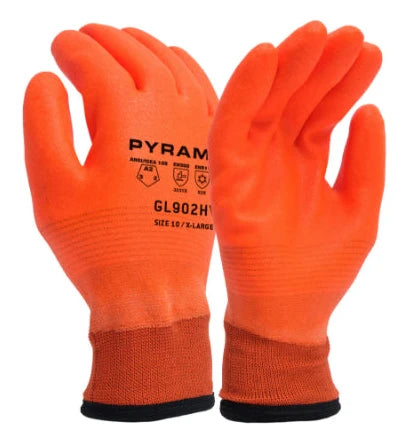


Puncture-resistant gloves offer essential protection in environments where workers regularly handle sharp or hazardous materials, providing a barrier that ordinary gloves can't match. Constructed with advanced materials like Kevlar®, high-performance polyethylene (HPPE), steel mesh, or other reinforced synthetics, these gloves are specifically designed to prevent sharp objects from piercing through. This makes them invaluable in industries such as construction, metalworking, glass handling, landscaping, waste management, and law enforcement. The design of puncture-resistant gloves often involves layered materials that distribute the pressure from sharp objects, preventing penetration while preserving a high level of dexterity and grip. Some models combine puncture resistance with additional protective features, such as cut resistance or chemical resistance, which broadens their usability across different types of hazardous tasks. For example, workers handling sharp medical waste may benefit from gloves that provide both puncture and chemical protection, while construction workers might prefer puncture-resistant gloves with enhanced grip for handling rough materials. To ensure suitability for specific tasks, many puncture-resistant gloves carry ANSI or EN 388 ratings, which provide a standardized measure of their protective levels against punctures, cuts, and abrasions. These ratings help workers choose the appropriate level of protection based on the risks they encounter daily, enhancing safety and performance. Regular cleaning and maintenance also help extend the lifespan of these gloves, as worn or damaged gloves lose their protective qualities. By wearing puncture-resistant gloves, workers can significantly reduce the likelihood of hand injuries, making these gloves a critical part of personal protective equipment (PPE) for professionals in demanding, high-risk environments.
Category
What are Puncture Resistant Gloves?
Puncture-resistant gloves are specialized personal protective equipment (PPE) designed to shield hands from injuries caused by sharp objects, such as needles, nails, glass shards, and metal fragments. Unlike standard gloves, puncture-resistant gloves are constructed using durable, high-strength materials like Kevlar®, high-performance polyethylene (HPPE), steel mesh, or layered synthetic fibers that can absorb and disperse the force of sharp objects, reducing the risk of penetration.
These gloves are widely used across industries with frequent puncture hazards, such as construction, waste management, medical and biohazard handling, and glass and metal working. Many are also rated with standards like ANSI or EN 388, which indicate their specific level of puncture protection, allowing workers to select gloves suitable for their task. In addition to puncture protection, some gloves offer combined features, such as cut, abrasion, or chemical resistance, to provide comprehensive hand safety without sacrificing dexterity and grip control. Puncture-resistant gloves are critical for ensuring worker safety in high-risk environments, minimizing the likelihood of serious hand injuries.
What is the standard for Puncture Resistant Gloves?
The standard for puncture-resistant gloves is primarily governed by two internationally recognized standards: ANSI/ISEA 105 (American National Standards Institute/International Safety Equipment Association) in the United States and EN 388 in Europe.
ANSI/ISEA 105
The ANSI/ISEA 105 standard in the U.S. rates puncture resistance on a scale from Level 1 to Level 5, with Level 5 providing the highest level of puncture protection. This rating is based on a test that measures the amount of force, in newtons, needed to puncture the glove material with a standardized probe. Higher ratings indicate a greater resistance to punctures, helping workers select gloves suitable for tasks with varying puncture hazards.
EN 388
In Europe, EN 388 is the primary standard for evaluating protective gloves. This standard also includes puncture resistance as one of its test criteria, rating it on a scale from Level 1 to Level 4. The EN 388 test uses a standardized steel point to measure the force required to puncture the glove material. EN 388 also assesses gloves for abrasion, cut, and tear resistance, providing a comprehensive understanding of a glove’s durability and suitability for high-risk tasks.
Importance of Standards
These standards allow users to compare gloves and select the appropriate level of puncture resistance for specific environments, such as waste handling, medical applications, construction, and more. By referring to the ANSI and EN 388 ratings, workers can make informed choices to ensure their gloves meet the safety requirements of their tasks.
What material are Puncture Resistant gloves made of?
Puncture-resistant gloves are crafted from durable, high-strength materials designed to shield hands from sharp objects that could penetrate regular gloves. Common materials include Kevlar®, known for its flexibility and cut resistance, and high-performance polyethylene (HPPE), which is both lightweight and puncture-resistant. For tasks demanding maximum protection, some gloves incorporate steel mesh, though it sacrifices flexibility for durability, making it ideal for heavy-duty applications like meat processing. Nitrile or polyurethane coatings are often applied to fabric-based gloves to boost puncture resistance while improving grip, particularly in oily or wet conditions. Leather, another naturally puncture-resistant material, is frequently used in rugged gloves for construction or handling sharp materials. Many gloves combine these materials in layers, creating composite designs that balance comfort, dexterity, and safety, making them versatile for use in high-risk fields like construction, waste management, and glass handling.
Can you wash Puncture Resistant gloves?
Yes, you can generally wash puncture-resistant gloves, but the method depends on the specific materials used in the gloves. Most fabric-based puncture-resistant gloves, such as those made from Kevlar® or HPPE, can be machine washed with mild detergent on a gentle cycle and allowed to air dry. However, gloves with specialized coatings (like nitrile or polyurethane) may require hand washing to avoid degrading the coating over time.
Gloves with steel mesh or leather components need extra care. Steel mesh gloves should typically be hand-washed with mild soap and thoroughly dried to prevent rust. Leather puncture-resistant gloves should not be soaked; instead, they can be wiped down with a damp cloth, followed by conditioning to maintain the leather’s integrity. Always check the manufacturer’s care instructions to preserve the protective qualities and extend the life of the gloves.
Are Puncture Resistant gloves the same as regular gloves?
No, puncture-resistant gloves are not the same as regular gloves. Unlike standard gloves, which are designed primarily for general-purpose protection or comfort, puncture-resistant gloves are specifically engineered to protect hands from sharp objects that could puncture the glove material. Made from high-strength materials like Kevlar®, HPPE, steel mesh, or reinforced leather, these gloves are built to withstand puncture hazards such as needles, nails, glass shards, and metal fragments that would easily penetrate standard gloves.
Regular gloves, typically made from materials like cotton, latex, or thin leather, do not provide the specialized durability required to prevent punctures and may offer limited protection only in low-risk environments. Puncture-resistant gloves undergo rigorous testing, often receiving ANSI or EN 388 ratings, which indicate their level of resistance and suitability for tasks involving high puncture risks. This makes puncture-resistant gloves essential for high-risk jobs in industries such as construction, waste management, medical handling, and glass or metal work, where sharp objects are commonly encountered.
What should you never do when you use Puncture Resistant gloves?
When using puncture-resistant gloves, there are several important precautions to ensure their effectiveness and longevity:
- Don’t Use for Inappropriate Tasks: Avoid using puncture-resistant gloves for tasks they aren’t designed for, such as handling chemicals (unless they are specifically chemical-resistant) or extreme temperatures. Always choose gloves that match the task at hand.
- Don’t Overstretch: Stretching puncture-resistant gloves beyond their design limits can compromise their protective capabilities, causing potential failure in the areas of high tension.
- Don’t Expose to Sharp Edges for Extended Periods: While puncture-resistant gloves are designed to resist sharp objects, they are not impervious to all punctures. Avoid prolonged exposure to extremely sharp objects, as it could still cause damage over time.
- Don’t Ignore Maintenance: Failing to regularly inspect and maintain your gloves can reduce their protective abilities. After heavy use, check for any wear or damage, especially in the critical areas like the fingertips and palms.
- Don’t Submerge in Harsh Chemicals: Puncture-resistant gloves, especially those with coatings like nitrile or polyurethane, can degrade when exposed to harsh chemicals or solvents for long periods. Always refer to the manufacturer’s care instructions.
- Don’t Use for Heavy Impact Protection: Puncture-resistant gloves are designed for puncture protection, not impact resistance. For tasks that require protection from impacts (like handling heavy machinery), wear gloves specifically rated for impact protection.
By following these precautions, you can maximize the effectiveness and lifespan of your puncture-resistant gloves while ensuring proper protection.
What are ANSI Levels of Puncture Resistant Gloves?
The ANSI (American National Standards Institute) levels of puncture-resistant gloves are a grading system that measures the gloves' ability to resist punctures from sharp objects. This system helps to identify how much protection a glove can provide in various work environments. The puncture resistance is tested using a standardized method where a puncture force is applied to the glove using a standardized probe. The higher the level, the greater the glove’s puncture resistance.
Here are the ANSI levels for puncture-resistant gloves:
ANSI Level 1 (Low Puncture Resistance)
- Puncture Force: Up to 20 Newtons (N)
- Protection: Offers basic protection for low-risk environments where the risk of sharp objects is minimal. Suitable for light tasks like handling paper or light materials.
ANSI Level 2 (Moderate Puncture Resistance)
- Puncture Force: 20-50 N
- Protection: Provides moderate protection against punctures and is suitable for tasks that involve handling slightly sharp materials, such as cardboard or thin metal sheets.
ANSI Level 3 (High Puncture Resistance)
- Puncture Force: 50-100 N
- Protection: Suitable for industries like construction, warehousing, and recycling, where workers handle sharp objects like nails, glass, or metal shards.
ANSI Level 4 (Very High Puncture Resistance)
- Puncture Force: 100-150 N
- Protection: These gloves offer a high level of puncture protection and are ideal for more dangerous environments with frequent exposure to sharp tools, heavy machinery, or industrial materials.
ANSI Level 5 (Extreme Puncture Resistance)
- Puncture Force: 150-200 N
- Protection: Provides maximum puncture protection for extreme conditions such as working with sharp metal, glass, or handling construction materials in hazardous environments.
ANSI Level 6 (Superior Puncture Resistance)
- Puncture Force: Above 200 N
- Protection: This level provides the highest puncture resistance, offering substantial protection against very sharp or heavy-duty puncture hazards, commonly found in industries like demolition or heavy manufacturing.
Understanding the ANSI levels helps workers choose the appropriate gloves for their specific tasks, ensuring they have the right balance of protection, comfort, and dexterity.
What are Puncture Resistant gloves used for?
Puncture-resistant gloves are used to protect the hands from sharp objects and materials that could potentially cause injury through penetration. These gloves are commonly used in environments where there is a risk of hand injuries from objects such as nails, broken glass, metal shards, needles, and other pointed items. They are designed to prevent punctures while maintaining a balance of dexterity and comfort for tasks requiring precision and mobility.
Common Uses of Puncture-Resistant Gloves:
- Construction: Handling sharp debris, metal, wood, nails, and other hazardous materials.
- Waste Management: Sorting through refuse, especially sharp objects like broken glass or discarded needles.
- Landscaping and Gardening: Protecting against thorny plants, branches, or sharp gardening tools.
- Manufacturing: Handling sharp-edged tools, machinery components, and products.
- Warehousing: Handling packages, crates, or any items that might have sharp edges or protrusions.
- Medical and Laboratory: For handling medical waste, needles, or sharp instruments.
- Recycling: Sorting through potentially sharp materials like scrap metal or glass.
- Automotive: Handling car parts, particularly those with sharp edges or components.
- Glass and Metal Industries: Workers dealing with glass panels or metal sheeting often use puncture-resistant gloves for safety.
In essence, these gloves are designed for environments where handling sharp objects is common, providing workers with the necessary protection to prevent hand injuries without sacrificing dexterity or comfort.