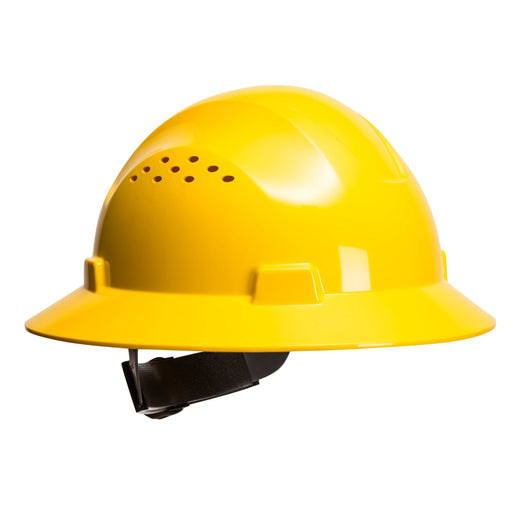
Boost visibility, promote brand recognition, and create a unified look with custom hard hats!
At Safety Vests and More, we prioritize your safety by offering a diverse range of hard hats tailored to various work environments. Whether you’re in construction, manufacturing, or mining, our hard hats are designed to provide crucial protection from potential head injuries caused by falling objects, overhead hazards, and electrical risks. We offer a variety of hard hat styles, materials, and features that ensure comfort and durability throughout the workday.
Our hard hats go beyond basic head protection by providing impact resistance, ventilation, and customization options to suit the specific needs of your workforce. In addition, we offer a wide selection of hard hat accessories, including cooling pads, winter liners, and face shields, all aimed at improving comfort, safety, and functionality on the job. Equip your team with our top-quality hard hats and accessories to ensure optimal protection and performance in any work environment.
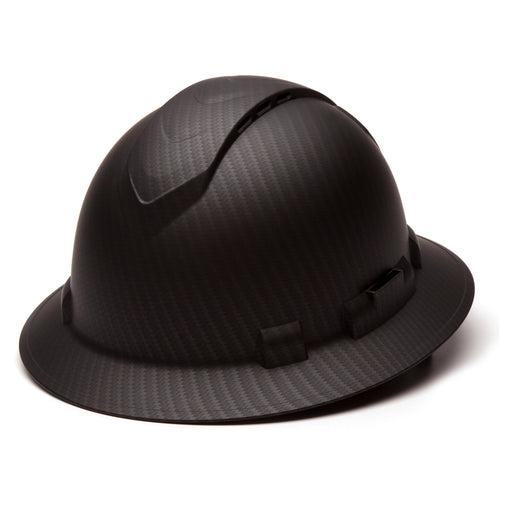
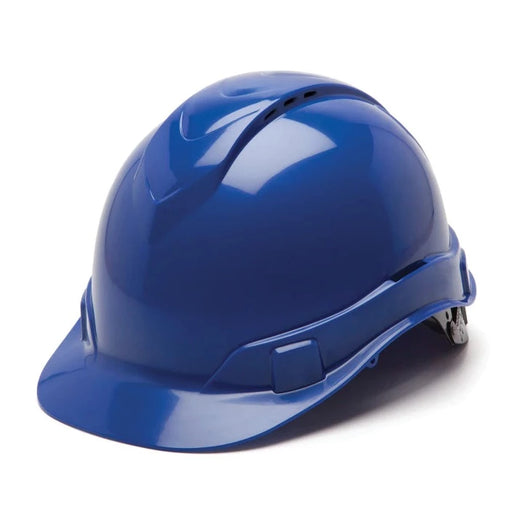
For those seeking all-around protection, full-brim hard hats provide a comprehensive shield from falling objects, harsh weather conditions, and harmful environmental factors. Our Full Brim Hard Hats, such as the Pyramex® Ridgeline Hydro Dipped Full Brim Hard Hat-4-Point Ratchet Suspension (HP541), provide enhanced safety and comfort with a low-profile design and rear padded suspension. The extended brim protects your head from the sun’s heat, rain, and debris, making it a superior choice for outdoor jobs.
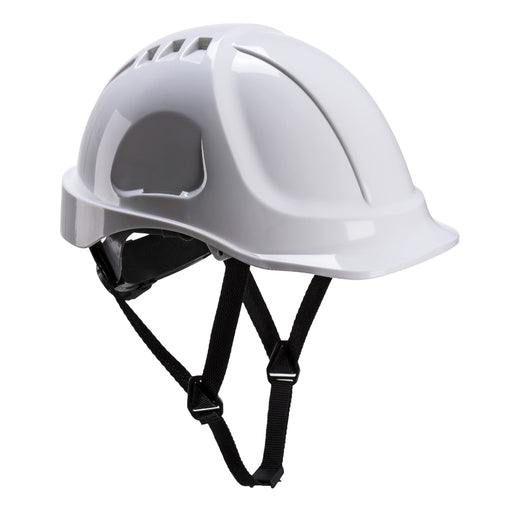
Cap-brim hard hats, on the other hand, offer reliable top-of-the-head protection but leave the nape exposed to the elements. Ideal for workers in controlled environments where overhead impact is the primary concern, cap-brim helmets combine comfort with necessary impact resistance.
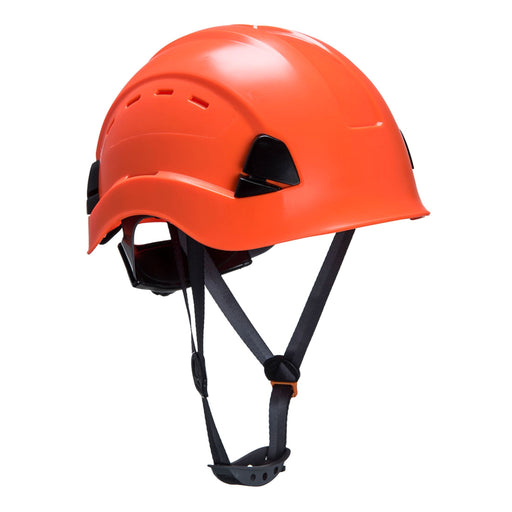
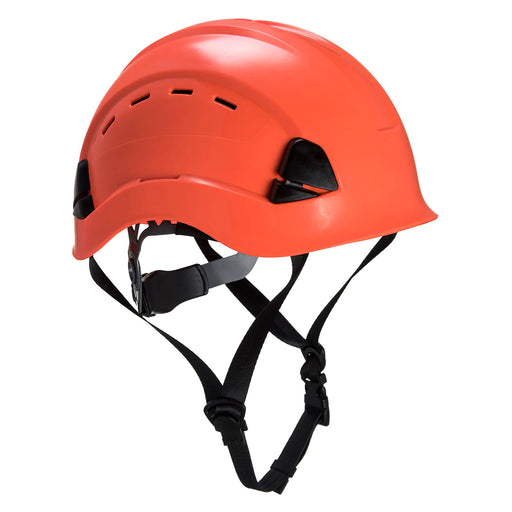
Comfort is key to productivity, especially in high-temperature environments. Our vented hard hats, like the PORTWEST® Full Brim Vented Hard Hat ANSI Class C - PW52, are designed to keep you cool with enhanced airflow, allowing air to circulate freely and expel heat, preventing discomfort during long workdays.
However, for professions where electrical hazards are a concern, such as electricians or engineers. Non-vented hard hats are a must. These helmets provide a solid, uninterrupted barrier to prevent electrical currents from traveling through vents and causing harm.
Take your safety gear to the next level by adding a personal touch. Our custom hard hats option lets you personalize your company logo, name, or any other branding element. This promotes your business and also fosters a sense of unity on the job site. Choose from different styles, colors, and features, including vented and non-vented models, visors, and chin strap helmets. We offer flexibility for multiple artwork placements, ensuring your hard hats reflect your company’s identity.
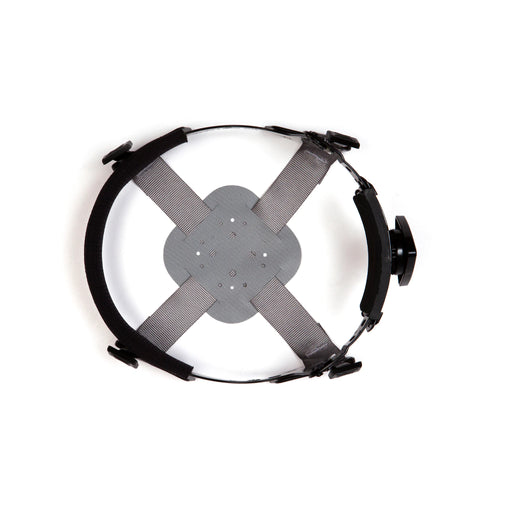
Working in extreme temperatures can take a toll on your workers, but with the right accessories, you can make their jobs easier. Explore our selection of cooling and warmth accessories designed to complement your hard hats. Stay cool with cooling pads, neck shades, and a replacement ratchet system that helps workers beat the heat. For those braving cold conditions, our winter liners provide extra warmth and insulation to keep your team comfortable throughout the winter months.
In addition to temperature control, we offer protective accessories such as ear muffs, face shields, and neck shades to give workers the added protection they need to stay safe and efficient.
At Safety Vests and More, we offer hard hats designed to provide the ultimate head protection, comfort, and durability for every worker. Our comfortable hard hats are engineered with high-impact resistance to withstand even the toughest job site conditions, ensuring superior head safety against potential risks like falling debris, electrical hazards, and accidental bumps.
Crafted from the highest-quality materials, including HDPE, ABS plastic, carbon fiber, and fiber resin, each helmet is built to endure the rigors of any work environment. Whether you're in construction, electrical work, or another hazardous field, our diverse selection of hard hats ensures you have the right protection for the job.
Constructed from high-quality, impact-resistant materials such as polycarbonate and fiberglass, our safety hard hats deliver long-lasting performance and reliability in challenging environments. They are designed with comfort in mind, featuring an adjustable suspension system and a padded sweatband to provide a secure, all-day fit without discomfort. The lightweight design reduces neck strain, allowing workers to stay comfortable and focused for prolonged use.
Our hard hats are built for protection, and we offer custom options to reflect your brand. You can personalize your hard hats with custom colors, logos, and designs, ensuring your team stays protected while showcasing your company's identity. Whether you're outfitting a construction site or industrial work environment, we have the perfect hard hat solution to meet your needs while adhering to safety standards.
Safety is paramount; our hard hats are equipped with integrated ventilation systems to improve airflow and keep workers cool during extended wear. Additionally, many of our models meet or exceed ANSI/ISEA standards for electrical hazard protection, shielding workers from electrical risks on job sites. For added safety, we also offer extended coverage options, including extra brim and neck guard features, to protect from the sun, rain, and flying debris.
Rest assured that all of our hard hats meet or exceed OSHA and ANSI safety standards, guaranteeing reliable head protection that complies with industry regulations. Designed to provide high-impact resistance, our safety helmets help prevent head injuries, heat exhaustion, and exposure to hazardous elements, ensuring your workforce remains protected.
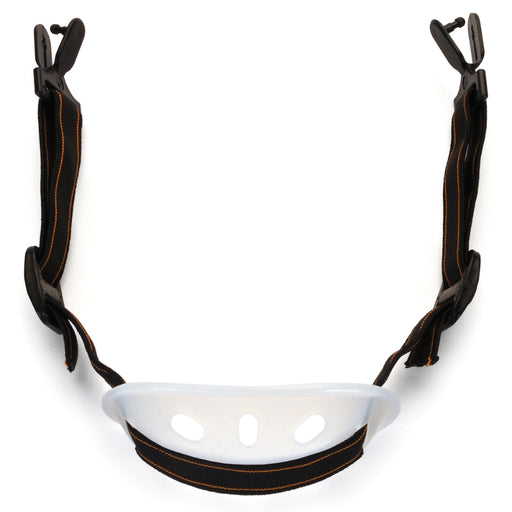
We offer hard hats suitable for any work environment, with options: vented and non-vented models, chin straps, visors, and high-visibility colors for increased site awareness. For those who need specialized headgear, we offer custom solutions that meet your specific safety requirements while offering a professional appearance. Our extensive range covers everything from standard construction hats to helmets for more specific industrial applications.
To maintain optimal safety, it is essential to inspect your hard hats regularly for cracks, dents, or signs of wear. Periodically clean your hard hats with mild soap and water to preserve their integrity and appearance. Replace any hard hats that show signs of damage or have been impacted during use to ensure ongoing protection and compliance with safety regulations.
Our hard hats come with advanced features such as built-in visors for eye protection, improved ventilation for better airflow, and options for high-visibility colors to enhance awareness on job sites. These added features ensure that our helmets offer superior protection, comfort, and convenience, making them perfect for workers across all industries. Whether you need basic protection or specialized headgear, our range has something for everyone.
Ensure your safety and the safety of your team. Explore our collection of high-quality hard hats and construction safety helmets today and equip your workforce with the best safety gear. For more information or personalized assistance, contact us at 1-877-411-0035 or browse our high-quality hard hat options. Your safety is our mission, and we’re here to help you every step of the way!
Hard hats are made from high-quality materials such as high-density ABS (Acrylonitrile Butadiene Styrene) or Polyethylene, providing strength and durability. They are designed with adjustable suspension systems for a secure fit and include replaceable sweatbands for added comfort.
Hard hats are classified based on their material, type, class, and safety standards. They are typically made from durable materials like ABS (Acrylonitrile Butadiene Styrene) or HDPE (High-Density Polyethylene). Additionally, hard hats must meet specific safety protection standards, such as ANSI Class G (General), Class E (Electrical), and Class C (Conductive), to ensure proper protection in different work environments.
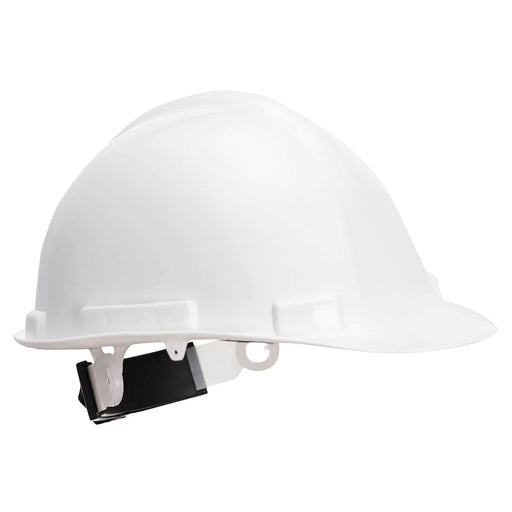
Different colored hard hats signify specific roles and responsibilities on a worksite. White for site managers, foremen, engineers, or supervisors, Green for safety inspectors or new/probationary workers, Yellow for general workers or earth-moving operators. Brown for workers involved in high-heat applications, such as welding. Blue for carpenters, electricians, and other technical operations.
Type 1 and Type 2 hard hats both provide head protection but differ in the type of impact they guard against. Type 1 hard hats are designed to protect against impacts and blows from above, providing top-only protection. Type 2 hard hats, on the other hand, offer additional protection against lateral impacts, including side impacts and penetration. Type 2 hard hats are typically recommended for construction workers and other roles where side impact risks are present.
The style of hard hats refers to the level of impact protection and the specific design features they offer. We offer a range of hard hat styles, including hydro-dipped, full brim, cap brim, cowboy/western, vented, low profile, as well as options with chin straps and bump caps, to suit various worksite needs and personal preferences.
The ANSI standard for hard hats ensures that they meet specific performance and testing criteria for industrial use. Hard hats are classified into two types and three classes:
Meeting these ANSI standards ensures that hard hats provide adequate safety for various industrial purposes.
OSHA (Occupational Safety and Health Administration) requirements for hard hats mandate that they must comply with ANSI standards to ensure adequate protection. Hard hats must provide effective protection against potential hazards such as falling objects, electrical shocks, and impacts. They should meet OSHA regulations for workplace safety, ensuring enhanced head protection for workers in environments with potential risks.
To wear a hard hat correctly, ensure it fits snugly on your head with the suspension straps adjusted to create space between the hard shell and your head. This space helps with ventilation and provides better impact protection. The hard hat should sit level on your head, covering the forehead without tilting forward or backward, and the adjustable suspension should be tightened to keep it secure and comfortable.
A hard hat should be replaced immediately if it shows signs of damage such as dents, cracks, or penetration, or if it has been subjected to rough treatment. Even without visible damage, hard hats should generally be replaced in 3-5 years to ensure maximum protection. Additionally, the suspension system should be replaced every 12 months to maintain proper support and safety.
Engineers typically wear white hard hats, which help increase their visibility and distinguish them from other workers on the job site or work place.
Class G (General) and Class E (Electrical) hard hats are both designed for protection against electrical shock. Class G hard hats are rated to provide protection up to 2,200 volts, while Class E hard hats offer a higher level of electrical protection, rated up to 20,000 volts. These classifications ensure that workers have the appropriate level of head protection when working around electrical hazards.