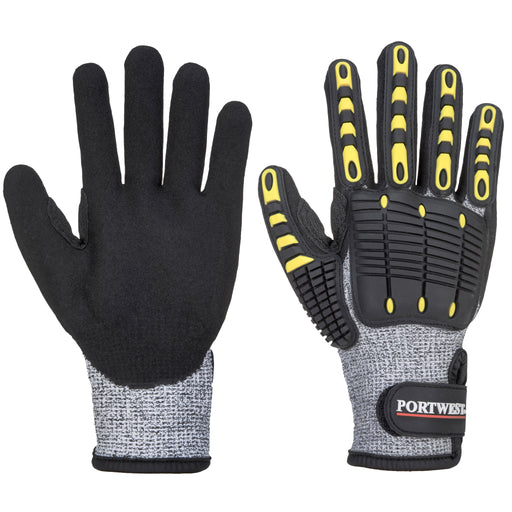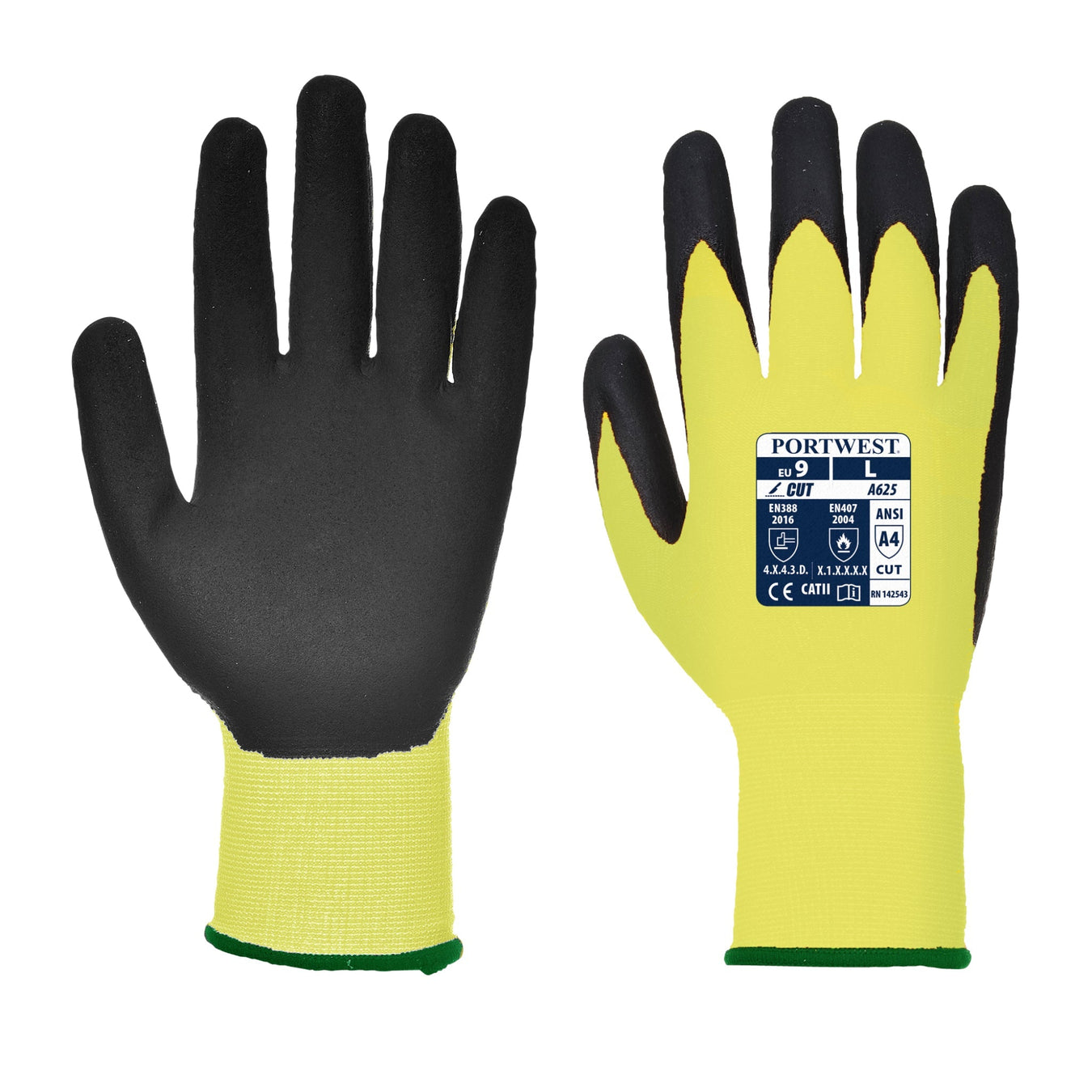




ANSI cut level A4 High-visibility liner Tested for both cut and heat protection PU foam coating for excellent grip in wet and dry conditions Palm ...
Pyramex® Tear And Abrasion Resistant Nitrile Smooth Safety Cut Gloves - GL614 Features ANSI/ISEA 105-2016 – CUT A1 | PUNCTURE 2 | ABRASION 6 EN388...
ANSI cut level A3 Superb abrasion and tear resistance Smooth PU coating for increased abrasion resistance Palm dipped to increase dexterity and ve...
ANSI/ISEA 105-2016 CUT A3 | PUNCTURE 4 | ABRASION 4 EN388 4X42C EN388 4X42C Type: Dipped Glove Material: Polyurethane Liner: 13 Gauge Nylon...
ANSI/ISEA 105 CUT A1 | ABRASION 3 | PUNCTURE 2 EN388 ABRASION 4 | CUT 1 | TEAR 3 | PUNCTURE 1 | CUT-TDM 100 X Polyurethane coating on the palm...
ANSI/ISEA 105 – CUT A1 | ABRASION 4 | PUNCTURE 3 EN388 – ABRASION 3 | CUT 2 | TEAR 4 | PUNCTURE 2 | CUT TDM-100 X EN407 – CONTACT HEAT 2 Durable l...
PORTWEST® Cut & Impact Resistant Grip Gloves - Sandy Nitrile Coated Palm - A722 Features Maximum impact protection using TPR pod technology Av...
High-performance gloves are machine knit constructed of high-strength yarns that provide increased levels of dexterity and abrasion- and cut-resist...
PORTWEST Waterproof Cut Impact Resistant Gloves - AP55 Features Maximum impact protection using TPR pod technology ANSI cut level A5 ANSI abrasion...
Acrylic Terry liner for insulation / warmth The porous HPT coating with Anti-Wet treatment repels liquid for an unprecedented firm grip in wet or ...
High level of protection against ARC flash burns, cuts and flames 13-gauge, flame-resistant aramid liner, increases dexterity and hand movement F...
ANSI cut level A4 Superb abrasion and tear resistance Nitrile foam coating for excellent grip in wet and dry conditions Resistance to contact heat...
ANSI/ISEA 105 CUT A4 | ABRASION 5 | PUNCTURE 4 EN388 ABRASION 4 | CUT X | TEAR 4 | PUNCTURE 3 | CUT TDM-100 D Micro-foam nitrile coating on palms...
ANSI/ISEA 105 CUT A6 | ABRASION 3 | PUNCTURE 4 EN388 2X22F Palm: Polyurethane + Nylon Back: Nylon + Elastane Thumb: Cotton + Polyester Closure: Th...
High-performance polyethylene (HPPE) gloves with added steel and/or glass fibers offer an increased cut resistance over gloves made with HPPE only....
PORTWEST VHR15 Nitrile Foam Cut & Impact Resistant Gloves Features Maximum impact protection using TPR pod technology ANSI cut level A7 Provid...
High-performance polyethylene (HPPE) gloves with added steel and/or glass fibers offer an increased cut resistance over gloves made with HPPE only....
ANSI/ISEA 105 CUT A1 | ABRASION 6 | PUNCTURE 4 EN388 4121X Palm: Leather Back: Nylon + Elastane Thumb: Cotton + Polyester Closure: Thermoplastic R...
ANSI/ISEA 105 CUT A4 | ABRASION 4 | PUNCTURE 4 EN388 ABRASION 4 | CUT X | TEAR 4 | PUNCTURE 3 | CUT TDM-100 D Micro-foam nitrile coating on p...
ANSI/ISEA 105 CUT A2 | ABRASION 3 | PUNCTURE 2 EN388 ABRASION 2 | CUT 2 | TEAR 3 | PUNCTURE 2 | CUT TDM-100 X EN511 CONTACT...
CE Certified Ergonomic design to reduce hand fatigue 13 gauge liner for a perfect fit Insulated for protection against cold Superb abrasion and te...
ANSI cut level A5 Smooth PU coating for increased abrasion resistance Reflective label for improved visibility Reinforced thumb crotch for extra p...
Seamless 13 gauge liner. Protects against cuts and abrasion. Prevents grease, oil and water penetration. Sandy finish for exceptional grip in wate...
Liquid Pro offers maximum liquid protection. Seamless 13 gauge liner. Dual latex coating for additional protection in tough conditions. The Portw...
Cut-resistant gloves are essential safety gear for individuals who are working with sharp tools or materials to offer superior protection against cuts and lacerations. Materials such as Kevlar and Dyneema are used to design these cut-proof gloves to enhance durability and resist sharp edges. They are essential in construction, manufacturing, automotive, and food processing, where handling sharp objects is routine. To ensure comfort during prolonged use, these gloves maintain flexibility and dexterity. It is recommended to adhere to the manufacturer's care instructions before washing these gloves to preserve their protective qualities. Safety Vests And More offers a comprehensive selection of cut-resistant gloves tailored to various professional needs for those seeking reliable hand protection.
Strong materials like Kevlar, Dyneema, HPPE (high-performance polyethylene), or stainless steel mesh are used to make cut-resistant gloves. These materials provide comfort and flexibility while shielding hands from sharp objects.
The ANSI cut level is a rating system developed by the American National Standards Institute (ANSI) to indicate the level of cut resistance in gloves and other protective materials. It measures how well a glove can withstand cutting hazards, helping users select appropriate hand protection based on the risk level in their work environment.
The ANSI cut levels range from A1 to A9, with higher numbers representing greater cut resistance:
This rating helps workers in industries like construction, manufacturing, and metalworking choose the right gloves to reduce injury risks from sharp objects.
When using cut-resistant gloves, avoid using them for hazards they aren’t designed to protect against, such as punctures, impacts, or heat. They should not be used for tasks involving moving blades or heavy machinery, as they can get caught or fail to protect you from such high-risk scenarios. It's also important to ensure that the gloves fit properly, as loose gloves can reduce dexterity and lead to accidents. Never use gloves that are damaged, as they will not offer adequate protection. Additionally, avoid wearing cut-resistant gloves when wet unless they are specifically designed for wet conditions, and always clean them regularly to maintain their effectiveness. Following these guidelines will help ensure the gloves perform as intended and provide optimal hand safety.