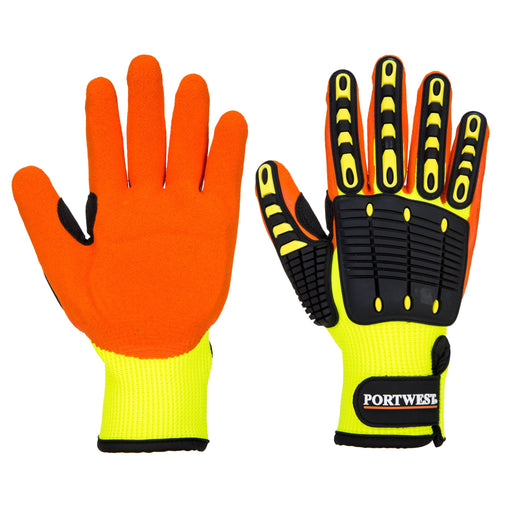

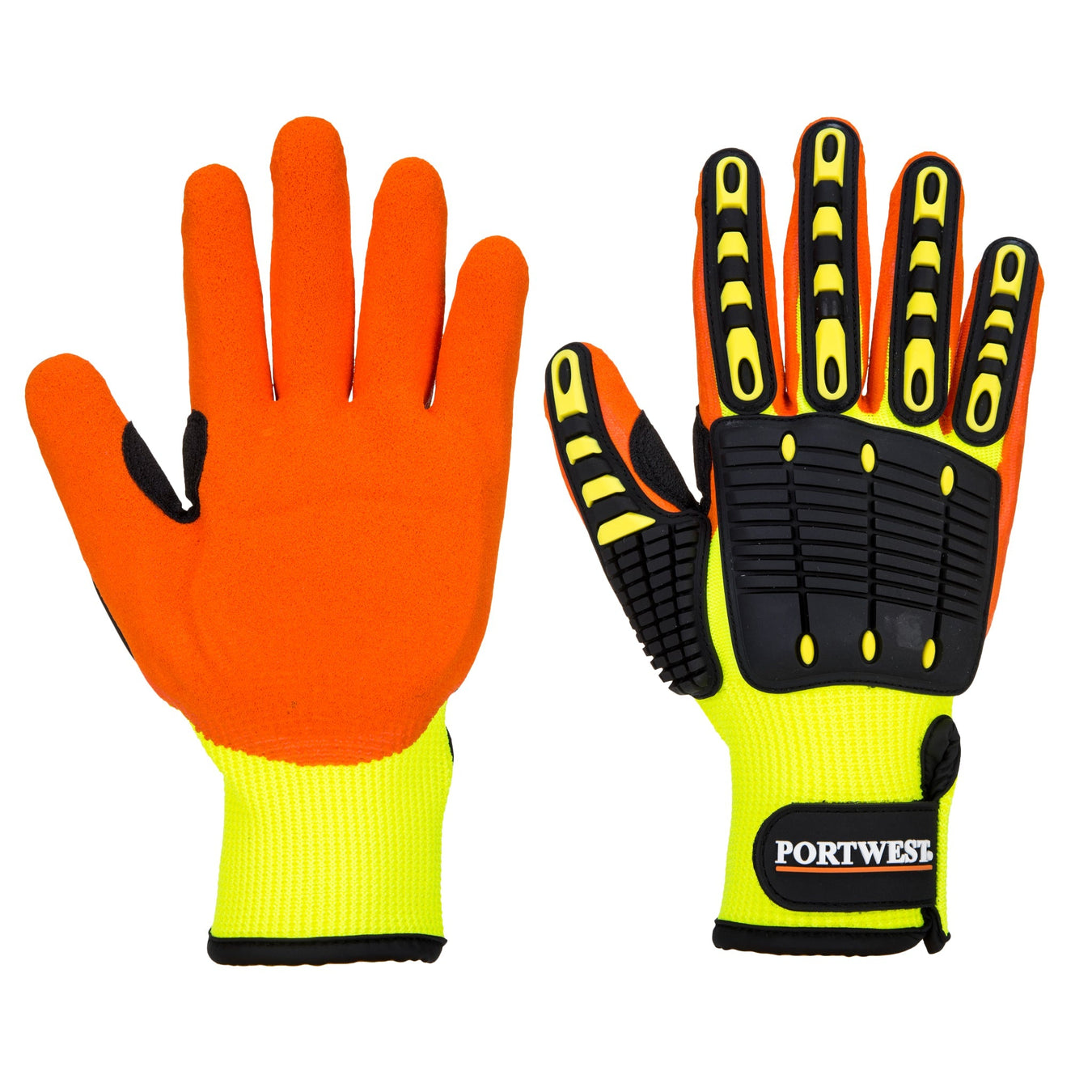


Maximum impact protection using TPR pod technology Reinforced thumb crotch and padded palms Hook and loop strap for a safe secure fit Nitrile sand...
PORTWEST® Cut & Impact Resistant Grip Gloves - Sandy Nitrile Coated Palm - A722 Features Maximum impact protection using TPR pod technology Av...
ANSI cut level A4 Nitrile foam coating for excellent grip in wet and dry conditions Maximum impact protection using TPR pod technology Provides ov...
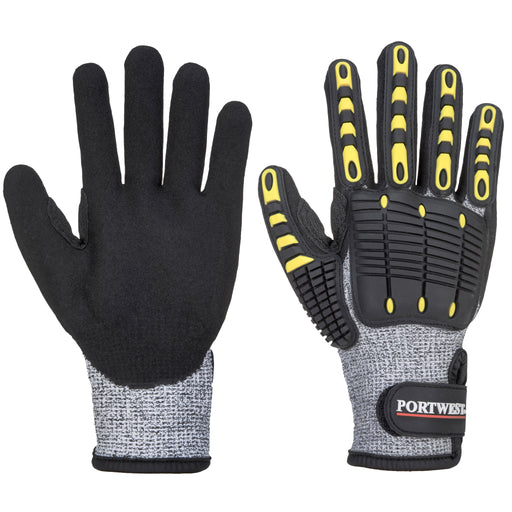
PORTWEST VHR15 Nitrile Foam Cut & Impact Resistant Gloves Features Maximum impact protection using TPR pod technology ANSI cut level A7 Provid...
High-performance polyethylene (HPPE) gloves with added steel and/or glass fibers offer an increased cut resistance over gloves made with HPPE only....
ANSI/ISEA 105 CUT A1 | ABRASION 6 | PUNCTURE 4 EN388 4121X Palm: Leather Back: Nylon + Elastane Thumb: Cotton + Polyester Closure: Thermoplastic R...
ANSI/ISEA 105 ABRASION 6 | PUNCTURE 3 ANSI/ISEA 138 IMPACT 2 EN388 4112XP Palm: Leather Back: Nylon + Spandex Cuff: Neoprene Impact: Thermoplas...
ANSI/ISEA 105-2016 CUT A6 | ABRASION 6 | PUNCTURE 4 ANSI/ISEA 138-2019 IMPACT 2 EN388 4X43EP Type: Dipped Glove Material: Sandy Nitrile Liner:...
The CALIBER-GT meets ANSI Cut Level A5, ANSI Impact Level 1, ANSI Abrasion Level 5, and ANSI Puncture Level 4. This CALIBER-GT features soft grai...
ANSI/ISEA 105-2016 CUT A6 | ABRASION 6 | PUNCTURE 4 ANSI/ISEA 138-2019 IMPACT 2 EN388 4X43EP Type: Dipped Glove Material: Nitrile Sandy Liner: 1...
The Impact Pro Cut Glove is designed for action in the toughest environments Premium leather with a reinforced palm for ultimate durability TPR Ex...
ANSI cut level A4 for supreme protection Maximum impact protection using TPR pod technology Nitrile foam coating for excellent grip in wet and dry...
OGRE-CR+ 13-GAUGE, HI-VIS YELLOW HPPE/GLASS/STEEL SHELL, TPR PROTECTORS, RED SANDY NITRILE PALM COATING, ANSI CUT LEVEL A5, HOOK & LOOP WRIST ...
High-performance gloves are machine knit constructed of high-strength yarns that provide increased levels of dexterity and abrasion- and cut-resist...
OGRE® stands for Oil, Gas & Refining Equipment. The Cordova Safety Products OGRE® brand gloves are designed for those down and dirty jobs that ...
ANSI/ISEA 105 CUT A2 | ABRASION 2 | PUNCTURE 2 ANSI/ISEA 138 IMPACT 2 EN388 ABRASION 1 | CUT 2 | TEAR 4 | PUNCTURE 1 | CUT TDM-100 B | IMPACT P Ty...
ANSI/ISEA CUT A2 | ABRASION 3 | PUNCTURE 4 ANSI/ISEA IMPACT 1 EN388 ABRASION 1 | CUT 3 | TEAR 2 | PUNCTURE 2 | CUT TDM-100 B | IMPACT P EN511 - C...
Tough Duck® 3M™ Thinsulate™-Lined Impact Resistant Glove - Brown - WG11 Features: Poly spandex flex fabric with added thermoplastic rubber (TPR) t...
CORDOVA OGRE® gloves (Oil, Gas, Refinery Equipment) are designed for those down and dirty jobs that require gripping power and impact protection. T...
OGRE® stands for Oil, Gas & Refining Equipment. The Cordova Safety Products OGRE® brand gloves are designed for those down and dirty jobs that ...
ANSI/ISEA 105 CUT A4 | ABRASION 4 | PUNCTURE 3 ANSI/ISEA 138 IMPACT 2 EN388 2X22EP Outer: Premium Grain Goatskin Liner: 360˚ A4 Para-Aramid Cu...
Pyramex® Hi Vis Premium Goatskin Driver Para-Aramid Safety Glove - Cut Level A2 - GL3012CB Features: Hybrid Strength: Premium goatskin leather on...
Hi-Vis ANSI/ISEA 105 CUT A2 | ABRASION 4 | PUNCTURE 4 ANSI/ISEA 138 IMPACT 2 EN388 2143XP Palm: Polyvinyl Chloride Back: Nylon + Spandex Liner:...
Pyramex® Cut and Impact Resistant Work Safety Gloves - GL3009CKB Features FR Treated TPR Impact Gloves ANSI/ISEA 105 CUT A4 | ABRASION 3 | PUNCT...
Offering critical defense against hand injuries from blunt force impacts, abrasions, and vibrations, impact-resistant gloves are needed for workers in high-risk industries such as construction, oil and gas, and heavy manufacturing. Thermoplastic rubber has been used in these impact gloves on the back of the hand and fingers to absorb and dissipate shock while maintaining flexibility and dexterity. These work gloves are used by a wide range of people, depending on the type of work they do, and can help to protect the wearer from serious injuries, chemical burns, and other hazardous materials.
Impact-resistant gloves are safety gloves designed to protect hands from injuries caused by crushing, pinching, or strikes. They feature impact-absorbing padding (like TPR) and are commonly used in high-risk industries such as construction, mining, and oil and gas. Many also include cut or puncture resistance for added protection.
Impact-resistant gloves protect against injuries caused by sudden force, blunt impacts, and vibrations. They feature reinforced padding like thermoplastic rubber (TPR) on the knuckles and fingers.
The levels of impact resistance in gloves are standardized by the ANSI/ISEA 138 rating, which assesses the glove's ability to protect against blunt force impacts on the knuckles and fingers. This standard classifies impact-resistant gloves into three levels:
When selecting impact-resistant gloves, it’s essential to choose the level appropriate for the specific
Impact-resistant gloves combine materials like TPR for impact protection, nitrile or leather for grip and durability, and stretch fabrics for comfort and flexibility. Some also include Kevlar® for cut resistance and foam or gel padding for extra cushioning.
Tasks involving heavy tools, machinery, or materials, such as in the construction, oil and gas, mining, and automotive industries, require impact work gloves where hand injuries from impact are a risk.
No, impact-resistant gloves are not the same as regular gloves. They feature reinforced padding (like TPR) to protect against crushing, pinching, and strikes—ideal for high-risk jobs like construction or mining. Regular gloves don’t offer this level of protection.
When using impact-resistant gloves, it’s essential to avoid certain actions to ensure your safety and preserve the gloves’ effectiveness. First, never use gloves that are damaged or worn, as tears, broken seams, or degraded padding will reduce their protective qualities. Additionally, don’t rely on impact gloves for protection against hazards they aren’t designed for, like cuts, chemicals, or heat—always use the right glove for the specific task. Wearing gloves that don’t fit properly is also a risk, as gloves that are too tight or too loose can limit both protection and dexterity, potentially leading to accidents. It’s equally important to follow the manufacturer’s care instructions; for example, avoid exposing the gloves to high-heat drying, which could damage materials and reduce their lifespan.
Impact gloves are highly effective in reducing the risk of fractures, bruises, and crush injuries in high-impact work environments, especially when chosen based on industry-specific needs and certified protection standards.
Yes, most impact-resistant gloves can be washed—hand-washing with mild soap and air drying is usually best. Always follow the manufacturer’s care instructions to maintain glove durability and protection.